Uncategorized

Moab Cyclery: Discover Moab on Your Own Terms

Explore Moab Mountain Bike Tours: Self-Guided and Guided Adventures

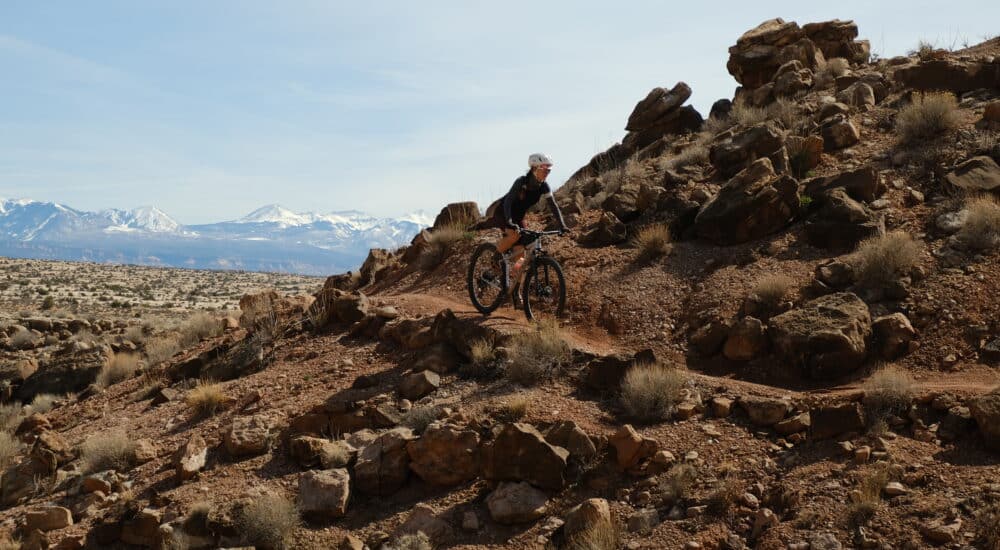
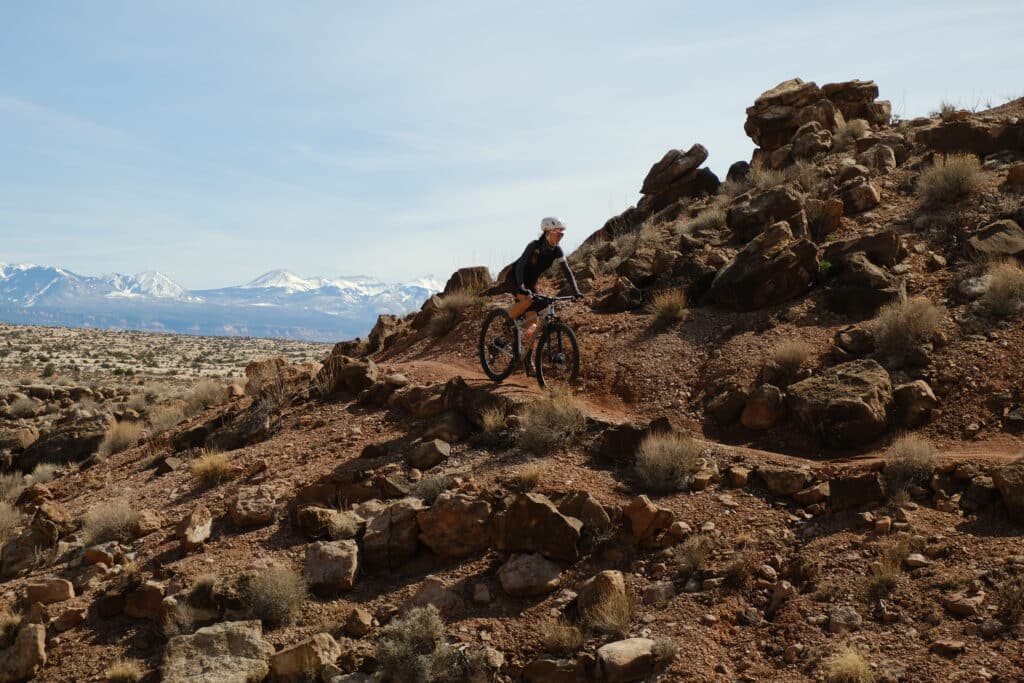
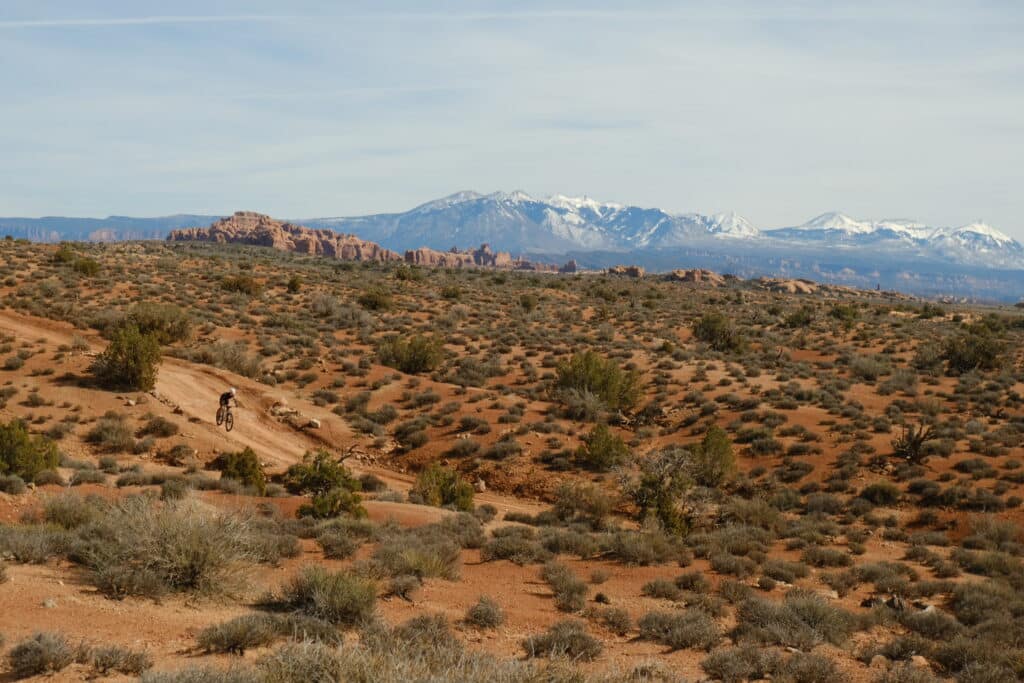
A rider carving through the North 40 loop at Moab Brands on a Specialized Rockhopper, smooth playful singletrack that is perfect for finding your flow in the desert.

Explore Moab Mountain Bike Tours: Self-Guided and Guided Adventures

Moab offers some of the best mountain biking trails in the world, from beginner green loops to advanced slickrock. Most trails are well-marked, cell coverage is good, apps like Trailforks and MTB Project make navigation easy, and the local trail organization sells paper maps as a fundraiser for the trails. Even first-time visitors can confidently explore on their own.

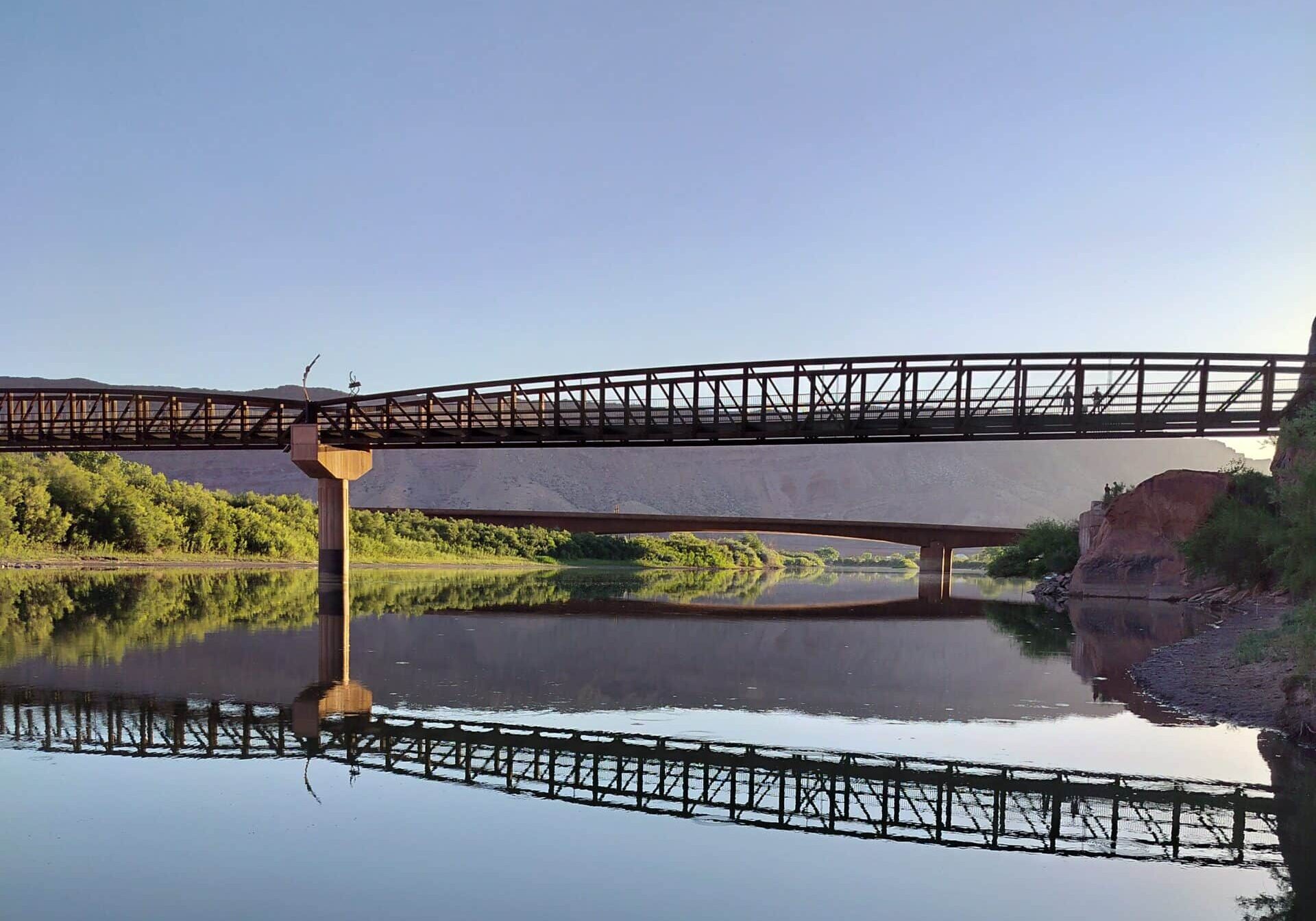
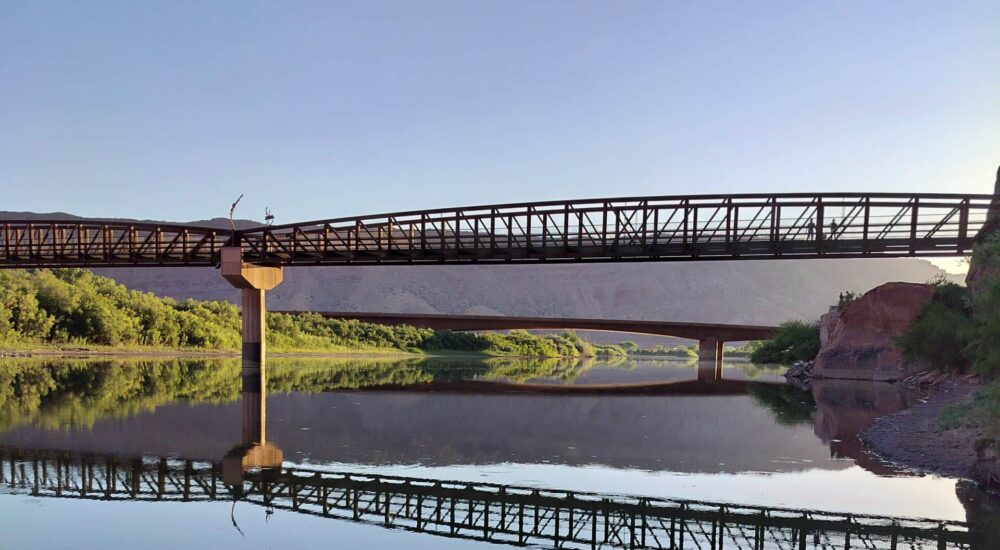
Many riders arrive feeling intimidated, thinking they need a guide to enjoy Moab. That’s where our Moab Brands shuttles come in. Riders hop on with no plan and leave with smiles from start to finish. We provide free, customized route planning, tailored to your skill level, goals, and personal preferences. Designing routes to match each rider’s desires is exactly why we’re here, to make your ride safe, fun, and memorable. Intermediate riders often love the Mag 7 and Raptor Route, while advanced riders tackle The Whole Enchilada or Mag 7–Portal. At the end of the day, riders wrap things up with a cruise back into town on the scenic Moab Canyon Pathway, a mellow, easy finish to the ride.

We offer a wide range of bikes for Moab mountain biking, including mountain bikes, e-bikes, and pathway bikes for scenic rides along the Moab Canyon Pathway, Colorado River Pathway, or Kane Creek Road. Self-shuttling is easy if you have a car with a bike rack, or you can use our shuttle service to popular trailheads, complete with local tips from our drivers.

For riders seeking extra coaching or local insight, we can arrange private tours with certified MTB guides providing customized, private trips including round-trip transportation and optional skills coaching. Most visitors love our self-guided rides, but private guides are available for those who want extra instruction or local expertise.

To book bikes, shuttles, or a guide, provide your ride dates, rider names, heights, and weights, and we’ll confirm everything so you can hit the trails without extra planning. Reserve online, or call/email us for free expert advice. Whether you’re here for epic Moab mountain biking or scenic pathway rides, our riders love the Brands, the shuttles, the routes we plan for them, and that perfect cruise back into town.

Moab Cyclery
391 S. Main St., Moab, UT
(435) 259-7423
www.moabcyclery.com

Moab Gravel Riding / Arches and Canyonlands

Moab Gravel Riding in and around Arches and Canyonlands National Parks

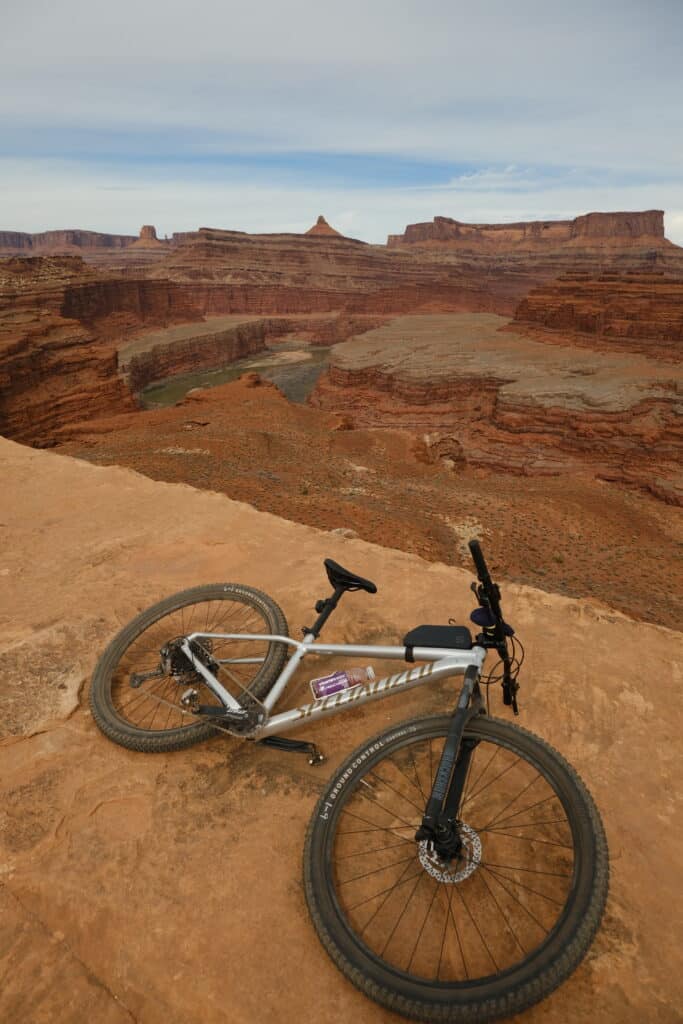
When riders ask about gravel bikes in Moab, the first thing we explain is that Moab gravel is not typical gravel. While traditional gravel bikes have their place and can handle some sections, they are somewhat limited in this desert environment. Dirt roads quickly turn into sandstone shelves, deep sand, embedded rock, and rugged 4×4 routes. Many of the most iconic gravel rides are really backcountry jeep roads with constantly changing surfaces. For this reason, we often recommend a short travel hardtail bike like the Specialized Rockhopper rental instead of a traditional drop-bar gravel bike.

If you do ride a gravel bike in Moab, we recommend using at least 50 millimeter tires and some form of front suspension to handle sand, ledgy terrain, and slickrock transitions.


The White Rim Trail

The White Rim Trail is often described as a dirt road loop, but in reality, it is a rugged desert route. It features 100 miles of desert terrain with around 6800 feet of climbing. Riders encounter long sandy stretches, rocky climbs and descents, exposed sandstone ledges, continuous surface vibration over many miles, and remote sections where reliability matters.

Riding the White Rim requires hours of absorbing chatter and navigating constantly shifting terrain. A hardtail with wide tires and front suspension reduces fatigue and increases confidence over this long desert ride.

Maps and trail bet available in store. This one is long, bikepacking bags are recommended


The Jug Handle Loop

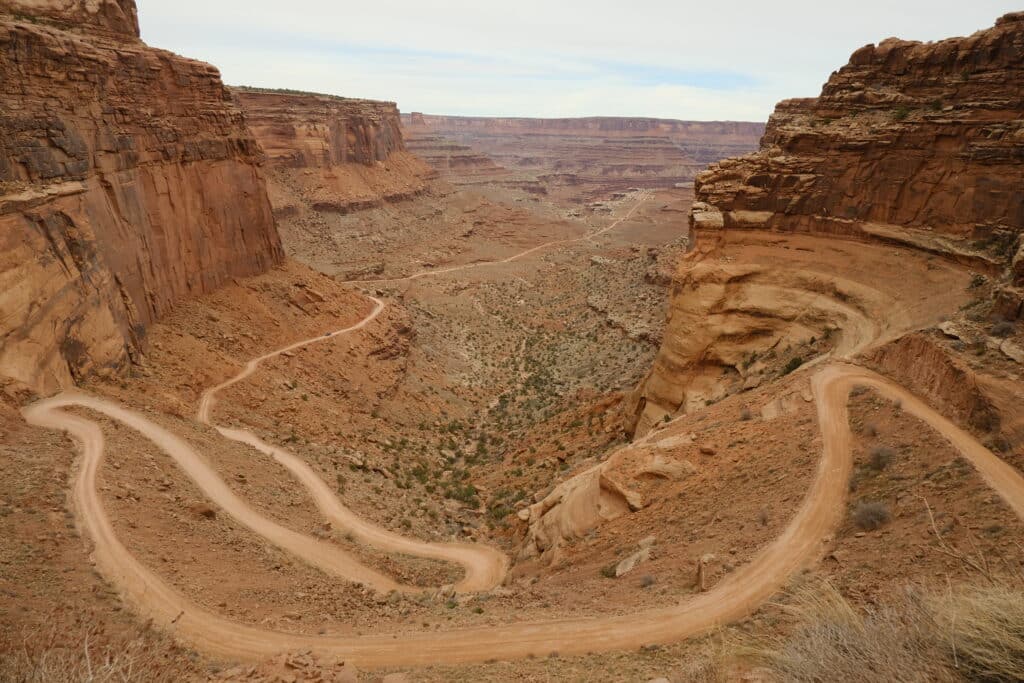
The Jug Handle Loop links Long Canyon Trail, Shafer Trail, and Potash Road and is often described as a mini White Rim. This loop is 37 miles with approximately 3200 feet of climbing.

The Jug Handle Loop offers steep dirt descents, chunky rock, embedded ledges, sand pockets, pavement connectors, and scenic canyon riding with big exposure. Like White Rim, it blends surfaces continuously, requiring a bike that can handle sand, slickrock transitions, and rough jeep road chatter without sacrificing pedaling efficiency.

Maps and trail beta are available in store but here is a link to the route. Jug Handle Loop – MTB Project


Arches Backcountry Loop

One of the most scenic ways to experience Arches National Park is by bike. The paved climb into the park from Moab is 37 miles with around 2500 feet of climbing. Riders can extend the route by linking in multiple singletrack options to add mileage and technical variety.

Combining pavement with dirt connectors and backcountry options provides a full desert experience. Larger tires and front suspension make these transitions seamless and far more comfortable.

Maps and trail beta available in store.


Gravel-Friendly Roads: Kane Creek and Sand Flats

Not all Moab gravel is rugged backcountry. Some routes are smoother and better suited to traditional gravel bikes but still work well on a hardtail. Kane Creek Road and Sand Flats Road are two examples.

Kane Creek Road offers mostly hardpacked terrain that is suitable for gravel bikes for about 11 miles one way. The route gradually becomes rougher the farther you ride, offering more technical challenges like going up and over Hurrah pass that are better handled on a hardtail.

Sand Flats Road provides a mix of surfaces, with areas that can get quite washboarded or soft. It also features excellent singletrack options like the Raptor Route and Slickrock Trail that allow riders to extend mileage and explore more technical desert terrain. While gravel bikes can manage parts of Sand Flats, a short-travel hardtail allows for more control, comfort, and versatility on these varied surfaces.


Why a Hardtail Bike Works Best

A hardtail bike like our Specialized Rockhopper rental provides the right balance for Moab gravel riding. It is lightweight and efficient on pavement and long climbs, has wide tires for sand and loose rock, and short travel front suspension to reduce fatigue on ledges and repeated impacts. A durable and simple setup is ideal for remote desert riding.

A hardtail pedals efficiently on smooth surfaces while remaining stable and composed when gravel turns into slickrock, sand, or jeep trail.


Conclusion

In many parts of the country, a traditional gravel bike is ideal. In Moab, gravel often becomes sandstone, ledges, and deep sand. A lightweight short travel hardtail provides the versatility needed for these routes without sacrificing efficiency.

Gravel bikes have their place on routes like Kane Creek Road and Sand Flats Road, but for most of Moab’s rugged trails, a short travel hardtail is the better choice. If you do ride a gravel bike, it is much better with 45-50mm tires and front suspension. Iconic routes like the White Rim Trail, the Jug Handle Loop, and the Arches backcountry loop showcase the full range of Moab gravel terrain and reward riders who are prepared with the right bike. Book a Specialized Rockhopper here.

Moab Opens Non-Motorized Trails to Class 1 E-Bikes Starting March 1, 2026


Big news for mountain bikers visiting Moab, Utah: starting March 1, 2026, Class 1 e-bikes will be allowed on many trails previously designated non-motorized by the Bureau of Land Management (BLM). This opens over 200 miles of singletrack, giving riders the chance to climb farther, ride longer, and experience Moab’s iconic sandstone, slickrock, and technical terrain with the added advantage of pedal assist.

Whether you’re a local rider or visiting from out of town, this change makes Moab more accessible and fun for a wide range of abilities.


What Class 1 E-Bike Access Means for Moab Riders

Class 1 e-bikes are pedal-assist only, with assistance cutting off at 20 mph. They are now allowed on many trails that were previously limited to traditional mountain bikes and hikers. Key benefits for riders include:

  • Easier climbs on punchy sandstone ledges and technical sections
  • The ability to ride longer loops and more trails in a day
  • More inclusive riding for groups with mixed skill or fitness levels

Responsible riding is still critical. Stay on established trails, avoid wet conditions, and dismount if traction is lost to protect Moab’s delicate desert ecosystem.


Trails Open to Class 1 E-Bikes in Moab

According to the BLM Moab Field Office, the following trails will be open to Class 1 e-bikes starting March 1, 2026:

Open Trails:

  • Athena Mountain Bike Trail
  • Horsethief Mountain Bike Trail System
  • Navajo Rocks Mountain Bike Trail System
  • Gemini Bridges Area Mountain Bike Trail System
  • 7-Up Mountain Bike Trail
  • Gold Bar Rim Mountain Bike Trail
  • Portal Mountain Bike Trail
  • Klondike Bluffs Mountain Bike Trail System
  • Baby Steps Mountain Bike Trail
  • Klonzo Mountain Bike Trail System
  • Moab Brands Mountain Bike Trail System
  • Amasa Back Mountain Bike Trail System
  • Jackson Mountain Bike Trail
  • Hunter Canyon Rim Mountain Bike Trail
  • Pipe Dream Mountain Bike Trail
  • Raptor Route Mountain Bike Trails (Hawks Glide, Falcon Flow, Kestrel Run)
  • Kokopelli Mountain Bike Trail (1.7 miles of singletrack)

Trails Remaining Closed to E-Bikes:

  • Lower Porcupine Singletrack (LPS)
  • Eagle Eye
  • Porcupine Rim Singletrack
  • Fisher Mesa
  • Hidden Valley
  • and National Forest Non-motorized Trails

For a full interactive map and project details, visit the BLM NEPA Register: BLM Moab E-Bike Map.

To plan your rides and check real-time trail conditions, we recommend Trailforks Moab maps: Moab Trailforks.


Best E-Bikes for Moab Trails in 2026

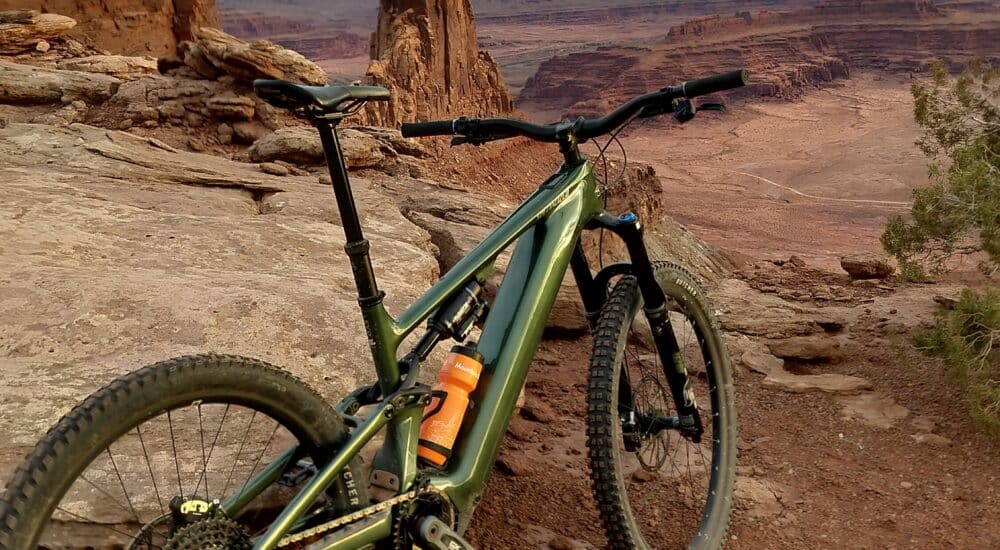
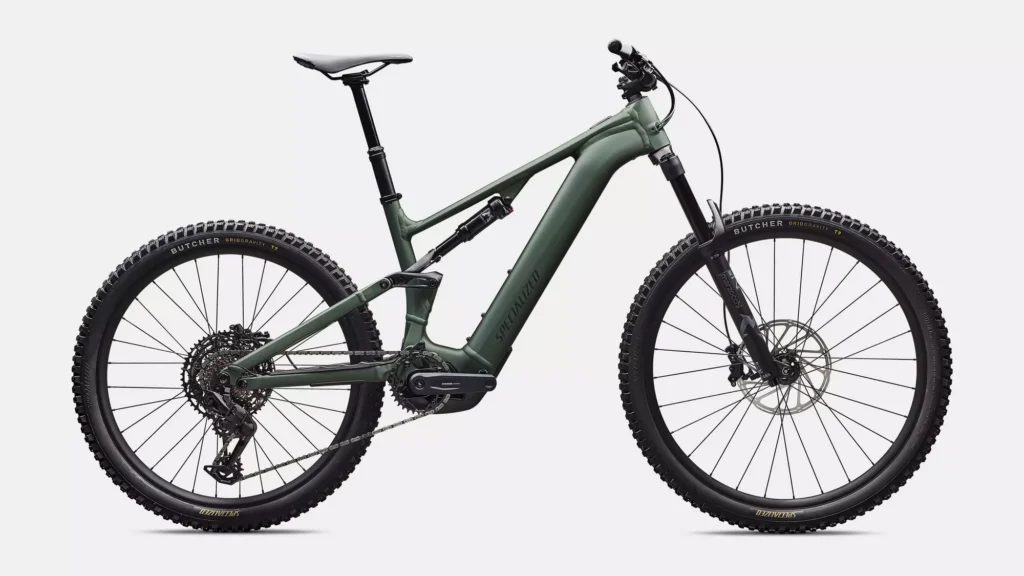
With expanded e-bike access, having the right machine can transform your ride. Two standout Class 1 e-bikes for Moab terrain are the Specialized Turbo Levo Gen 4 and the Norco Sight VLT CX Gen 4. Both have received excellent reviews and offer the performance and handling required for Moab’s challenging trails.


Specialized Turbo Levo Gen 4

The Turbo Levo Gen 4 continues to dominate reviews as one of the best all-around electric mountain bikes. Known for its refined ride feel, smooth power delivery, and versatile handling, it’s ideal for Moab’s technical desert terrain.


Why it’s perfect for Moab:

  • Smooth, natural pedal assist that feels like “you, but stronger,” with intuitive power for technical climbs
  • Excellent traction management on steep sandstone and slickrock features
  • Long-range battery options for extended rides on big loops and backcountry trails
  • Confident, balanced geometry for high-speed desert descents
  • Refined, quiet ride quality that makes long, mixed-technical rides enjoyable and less fatiguing

Reviewers from Bicycling.com highlight the Levo Gen 4’s predictable motor engagement, natural handling, and overall trail versatility—making it a top pick for technical climbs like Porcupine Rim or Captain Ahab. For riders seeking one of the best e-bikes for Moab slickrock, the Turbo Levo Gen 4 is hard to beat.


Norco Sight VLT CX Gen 4

The Norco Sight VLT CX Gen 4 is built for aggressive terrain and long days. Known for its stability and power, this bike thrives in rough desert conditions. Compared to previous generations, the Gen 4 feels more lively and responsive while still maintaining the planted confidence riders expect from a full-power e-MTB.


Why Moab riders love it:

  • Powerful Bosch Performance Line CX motor for punchy ledge climbs
  • Stable, planted feel in chunky rock gardens
  • More lively and responsive handling than earlier versions without sacrificing control
  • Excellent suspension platform for repeated big hits
  • Balanced geometry for technical climbing and descending

Industry reviews highlight the Sight VLT’s ability to stay composed on rough terrain while remaining efficient on climbs. Its lighter, more energetic chassis improves handling on rolling slickrock and technical transitions. For riders who push hard downhill and want maximum confidence on Moab’s technical descents, the Sight VLT CX is a standout choice.


Plan Your Moab E-Bike Adventure

With Class 1 e-bike access expanding, now is the perfect time to plan your Moab trip. March through May and September through October are prime riding seasons. Pair your ride with:

  • Moab e-bike rentals and guided tours
  • Trail planning using Trailforks maps, and our paper MTA Trail maps that support the trails
  • Shuttles for big loops like the Whole Enchilada

With the right e-MTB, trails, and planning, you can experience Moab in a whole new way. The Specialized Turbo Levo Gen 4 and Norco Sight VLT CX Gen 4 make riding more accessible, more fun, and more capable than ever.


Plan your rental today: Book your Moab e-bike here.

Scroll to top

Sign up to Stay in Touch!

Get ready to unlock exclusive perks 😎 By joining our mailing list, you'll be the first to know about our latest updates and exciting news from Moab.

"*" indicates required fields

Name*